Blog / Postpartum Hair Loss: What To Expect and What Helps
Hair Growth/Loss

Postpartum Hair Loss: What To Expect and What Helps

By Dr. Dan Yadegar and Diana Yadegar |
Postpartum Hair Loss: What To Expect and What Helps

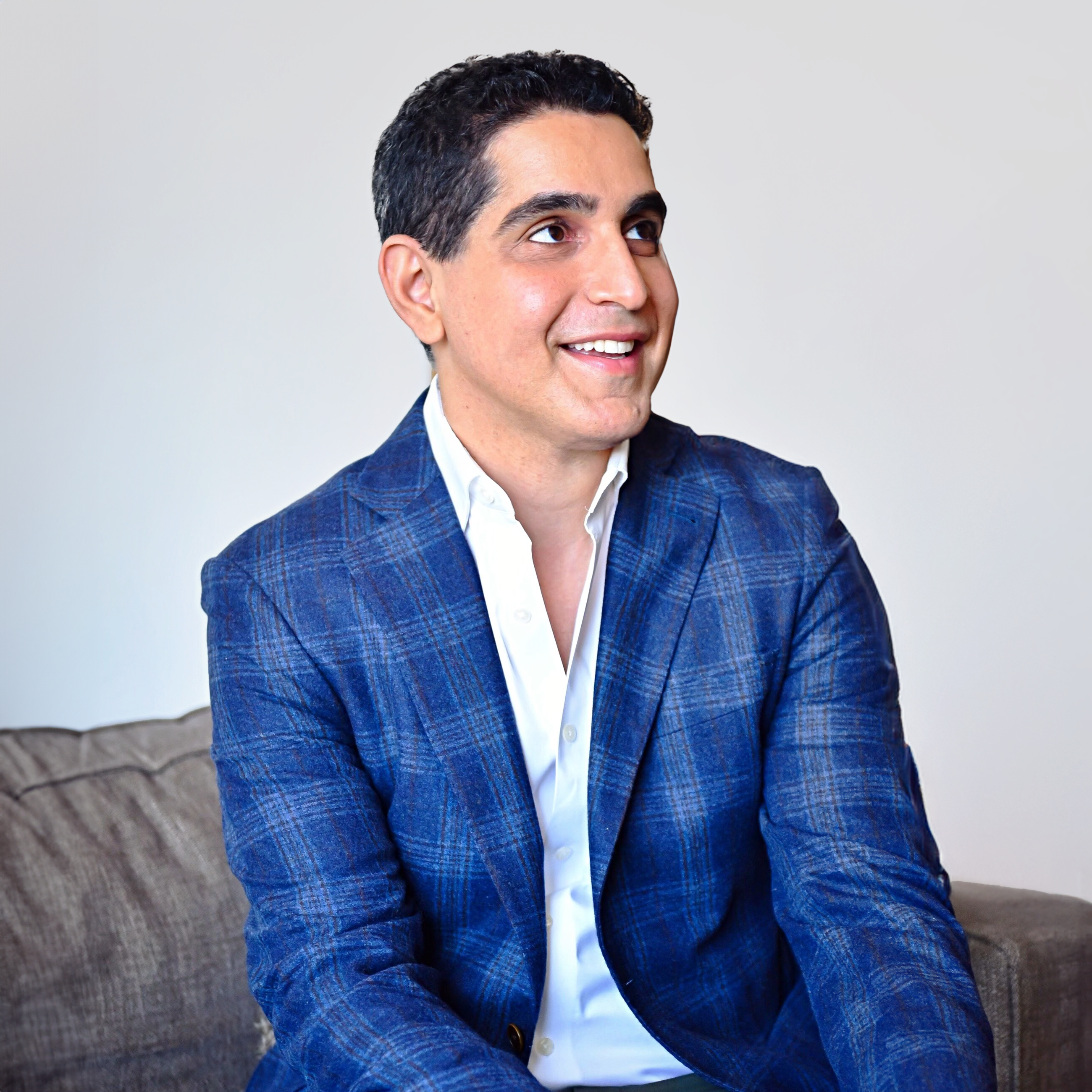
A conversation between Co-Founders of Wellbel Dr. Dan Yadegar and his sister Diana, who recently had a baby.

Postpartum hair loss is one of the most common concerns new moms experience, especially around 3 to 4 months postpartum. If you’re noticing more hair in your shower drain, on your brush, or on your pillow, you’re not alone.

In this conversation, we break down what to expect and what actually helps support regrowth.


Diana:
Around 3 months postpartum, after having my daughter Serena, I started noticing something I wasn’t prepared for. I knew there would be some hair shedding, but I never expected it to be this much.

By month 4, I’ve been taking Wellbel consistently, and I do feel like it’s supported my hair overall, but that initial shedding phase felt intense.

But I still have so many questions, and I know other moms do too.


“I’m postpartum… is this normal, or am I going bald?”

Diana:
I first noticed the shedding around 3 months postpartum, and it felt intense.Hair collecting in the shower drain, more on my brush, even on my pillow. It was definitely more than I expected.

I’ve been taking Wellbel consistently, and by month 4 I’m starting to notice a shift. The postpartum shedding feels less aggressive, and my hair feels stronger and healthier overall.

But that initial phase was intense.

Is this typical postpartum hair loss, or is something wrong?

Dr. Dan:
This is one of the most common postpartum experiences, and what you’re describing is completely normal. It’s called postpartum hair loss, or telogen effluvium. During pregnancy, elevated estrogen keeps hair in the growth phase longer than usual.

After delivery, hormone levels drop, and the hair that was held in that phase begins to shed all at once.

It can feel dramatic, but it is your body recalibrating.


Why does postpartum hair loss start at 3 to 4 months?

Diana:
The timing feels very specific. Why does postpartum hair loss show up a few months later instead of right after giving birth?

Dr. Dan:
Hair cycles operate on a delay. Postpartum hair shedding typically begins between 3 to 6 months after giving birth. You are right in that window at 4 months.

For most women, it starts to slow around 6 months, though in some cases it can continue up to a year. So what you are experiencing is very typical.


Why is postpartum hair shedding so much worse than expected?

Diana:
No one really prepares you for how noticeable it is. Why does postpartum hair loss feel so extreme?

Dr. Dan:
Because it is concentrated. Normally, we shed about 50 to 150 hairs per day. Postpartum, that number can increase to over 300 hairs daily.

It is not permanent loss. It is delayed shedding happening all at once.

What helps postpartum hair shedding?

Diana:
There is so much advice out there. Oils, scalp massage, supplements.

What actually helps postpartum hair shedding in a meaningful way?

Dr. Dan:
It comes down to supporting the body at a foundational level. Nutritional repletion, hormonal balance, and follicle support are what drive regrowth.

This is where a well-formulated supplement like Wellbel Women Hair Supplement can play an important role. It helps support nutrient absorption and provides the building blocks your hair needs during this phase. Ingredients like Betaine HCl support digestion, and saw palmetto helps support a healthy hair cycle.

At the same time, external practices can complement this. Scalp massage can help increase circulation and support a healthier environment for regrowth.

Should I keep taking prenatal vitamins postpartum or switch?

Diana:
Many moms stay on their prenatals. Is that enough for shedding, or should they switch?

Dr. Dan:
Prenatals are designed for pregnancy, not specifically for postpartum hair loss recovery. After pregnancy, your body has different needs, especially when it comes to hair cycling and replenishment.

If someone is not breastfeeding, many women consider transitioning to a more targeted supplement like Wellbel Women Hair Supplement to support this phase.

What labs should I check for postpartum hair loss?

Diana:
If someone wants to be proactive, what labs do you suggest they ask their doctor to test?

Dr. Dan:
It is helpful to look at iron levels, specifically ferritin, as well as vitamin D, zinc, and B vitamins.

Even mild deficiencies can prolong postpartum hair shedding or impact regrowth.

Could postpartum hair loss be thyroid-related?

Diana:
At what point do you question if it is something beyond normal postpartum hair loss, like thyroid-related?

Dr. Dan:
If hair loss continues beyond 6 to 12 months, or if it is paired with symptoms like fatigue or weight changes, it is worth evaluating thyroid function and nutrient levels more closely.

What helps hair look fuller during postpartum shedding?

Diana:
While I understand the internal piece, there is still the reality of how my hair looks day to day. What actually helps in the meantime?

Dr. Dan:
That is where topical care plays a role.

Using a volumizing, lightweight system can help create the appearance of fuller hair while you move through postpartum shedding. From a formulation standpoint, the focus is on supporting both the scalp and the hair fiber without adding weight.

A detox shampoo, such as the Wellbel Gelée Detox Shampoo, should gently remove buildup while maintaining the scalp barrier and keeping the environment balanced.

A restorative conditioner, like the Wellbel Restorative Conditioner, can hydrate and strengthen the hair while remaining lightweight enough to avoid weighing it down, especially when hair is more fragile during postpartum hair loss.

Does breastfeeding make postpartum hair loss worse?

Diana:
There is a lot of confusion around this. Does breastfeeding impact postpartum hair loss?

Dr. Dan:
Breastfeeding increases your body’s nutritional demands. If those needs are not fully met, it can prolong postpartum hair shedding or affect the quality of regrowth.

Nutrition becomes even more important during this time.

How long does postpartum hair loss last?

Diana:
This is the hardest part. Waiting. How long until hair finally grows back?

Dr. Dan:
Hair growth works on a cycle.

Most women begin to see improvement around 3 months after supporting the underlying factors, but full regrowth takes time.

Consistency and patience are key.

Postpartum Hair Loss Timeline (Quick Summary)

  • Hair loss often starts around 3-6 months postpartum
  • Shedding can feel intense, with more hair in the shower drain and brush
  • Many women notice shedding starting to slow around 6 months postpartum
  • Full recovery can take up to 12 months

Final Thoughts

Diana:
Postpartum hair loss feels intense, emotional, and honestly unexpected. There were moments it felt overwhelming, especially in the beginning.

But understanding what’s happening, and starting to see even a small shift from month 3 to month 4, makes it feel more manageable and a lot less scary.

Dr. Dan:
Exactly. Postpartum hair loss is a normal part of the body’s transition after pregnancy.

With the right support and a little patience, your hair will recover.

The goal is not to rush it, but to support your body through it.

Disclaimer

This content is for informational purposes only and is not intended as medical advice. Always consult your physician or healthcare provider regarding any medical concerns or before starting new supplements, especially during pregnancy or breastfeeding.